What to Do When You Find a Black Widow
What to Do When You Find a Black Widow
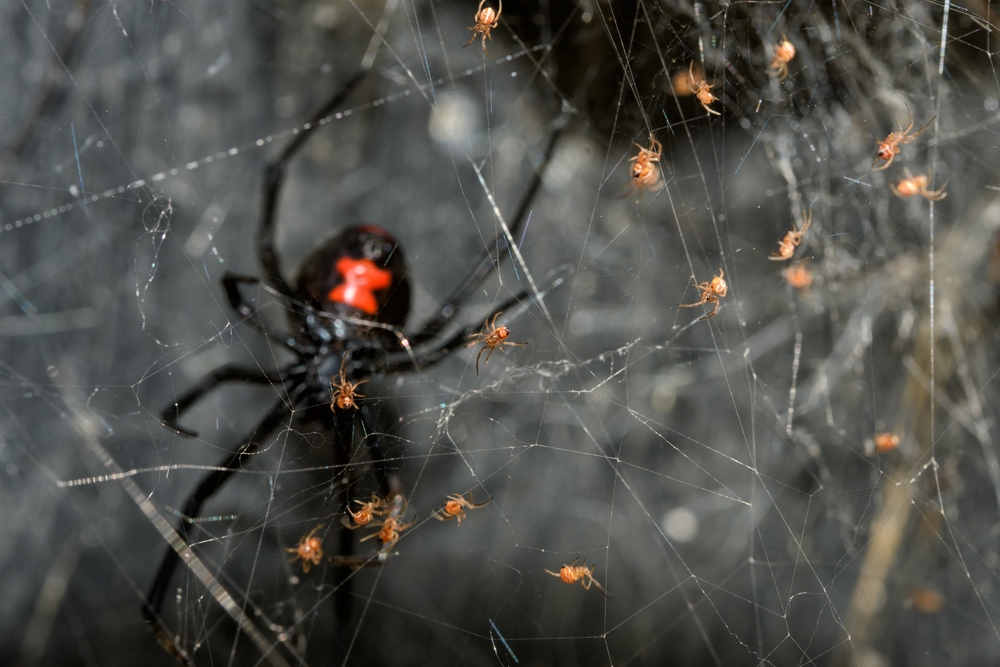
Seeing a shiny, black spider with a red hourglass on its belly can give you the heebie-jeebies—and for good reason. The black widow spider is one of the most deadly spiders in North America. If you’ve found one in your house, yard, or new home, here’s what you need to know—and most importantly, what you should do when you see a black widow spider.
How to Identify a Black Widow
The adult female black widow is the most recognizable. She’s shiny and black, about the size of a paperclip, with red markings—usually an hourglass shape—on her abdomen. Male black widows and baby spiders (spiderlings) are smaller and often lighter in color with less distinct markings. While black widow bites are rare, female widows will inject venom if they feel threatened, and their bites can be serious.
Are Black Widows Deadly?
Black widow spider bites can cause muscle pain, cramps, nausea, and in severe cases, difficulty breathing or effects on the nervous system. If bitten, it’s best to seek medical attention immediately, especially for children, the elderly, or those with compromised immune systems. A bite may take a few hours to show symptoms, so don’t wait.
Where Do Black Widows Hide?
Black widows like dark, hidden places where they won’t be disturbed. Common hiding places are:
- Wood piles
- Crawl spaces
- Under rocks, decks, or furniture
- Cracks near the foundation
- Garages and sheds
- Behind stored items or other debris
Their webs are messy and irregular, not the tidy, classic webs you might associate with other spiders.
What to Do If You See a Black Widow
With the right approach, you can stay safe and deal with this situation effectively. Here’s what to do if you see a black widow spider:
- Don’t Freak Out: Stay calm and keep your distance. These spiders are not aggressive, and most bites happen when someone accidentally squishes one.
- Wear Gloves and Be Careful: If you’re cleaning or moving stored items in dark places, always wear gloves. This is especially important in sheds, garages or storage boxes where webs might be close.
- Don’t Try to Kill It Barehanded: Squishing a black widow without protection puts you at risk of a bite. Instead, use a long tool or vacuum with a hose attachment if you’re comfortable doing so.
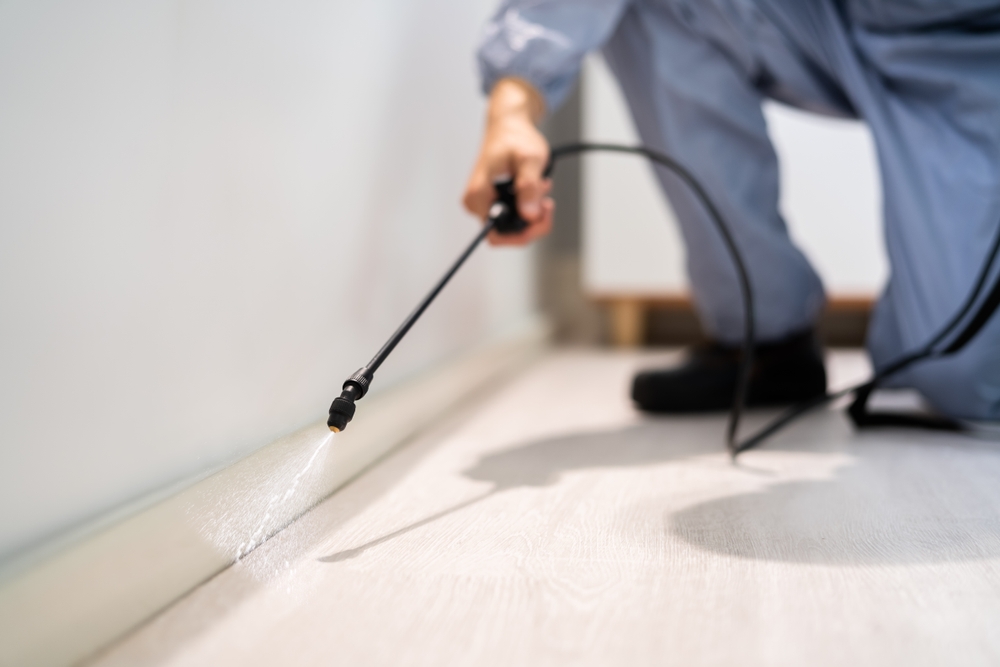
- Call a Pest Control Professional: If you see even one widow spider, there’s a chance of a larger black widow infestation, especially if you see an egg sac. A pest control professional, like Solve Pest Pros, can assess your situation and safely eliminate the threat.
How to Prevent Black Widow Spiders
The best defense is a good offense. To prevent black widow spiders from moving in:
- Seal up cracks and crevices around doors, windows, and the foundation.
- Install or replace worn-out weather stripping.
- Reduce clutter in basements, sheds, and garages.
- Shake out shoes, gloves, and clothing stored in dark or undisturbed places.
- Don’t stack rocks, wood piles, or unused items too close to your house.
Why Solve Pest Pros?
Black widows are just one of many pests that threaten the comfort and safety of your home. At Solve Pest Pros, we understand the urgency of a black widow sighting. Our trained technicians know how to find their webs, treat hidden egg sacs, and get rid of not just black widows, but other pests like brown recluse spiders, ants, and roaches.
Whether you have one spider or a full-blown infestation, contact Solve today. We’ll make sure you can enjoy your home without spiders lurking in the shadows.