Where Do Wasps Go During Winter? Your Stinging Insect FAQ
Where Do Wasps Go During Winter? Your Stinging Insect FAQ
It’s back-to-school season, which means that fall is only a few weeks away. And, let’s be honest, every season has its place, but there is something magical about autumn. Maybe it’s the falling leaves, or the annual trip to the pumpkin patch, or perhaps it’s the fact that the annoying swarms of buzzing wasps seem to disappear overnight.
When the crisp air hits, we all breathe a sigh of relief, but have you ever wondered where these black and yellow pests disappear to during the cooler seasons? Do they disappear completely, hibernate, or migrate like birds?
At Solve Pest Pros, it’s our business to know how these species disappear, survive, and reappear every year. And we’ve found that the seasonal life cycle of stinging insects is fascinating. So let’s dive into it!
Bee & Wasp Winter Survival 101
So, what happens to wasps in the winter? Do bees and wasps simply vanish, or do they find clever ways to survive the cold months? The answer, as always, depends on the species.
Honeybees’ winter survival is a team effort. This species forms a tight winter cluster inside the hive. By huddling together and vibrating their flight muscles, they generate enough heat to keep the queen and the rest of the colony warm—even when outside temperatures plummet.
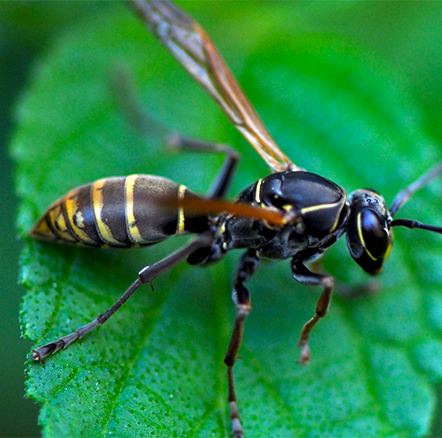
Wasps, on the other hand, take a completely different approach. As cold temperatures set in, most of the colony dies off, including the worker wasps and males. Only mated queens survive the winter.
Solitary bees also have unique winter survival tactics. Some solitary bees overwinter as adults, while others remain as larvae or pupae, hidden away in soil, hollow stems, or wood tunnels. When spring arrives, these bees emerge to begin their life cycle anew, foraging for nectar and pollen and helping pollinate early-blooming plants.
Other insects, such as hornets, follow similar patterns; most of the colony dies, while new queens overwinter in protected spots. Some species of insects may migrate, but most rely on hibernation or dormancy to survive the winter months.
Do Wasps Hibernate?
Sort of! Most of the wasps you see buzzing around in the summer do not survive winter. In late fall, the colony dies off as temperatures drop. The only survivors are the fertilized queen wasps, who will hibernate through the cold months.
In late summer, new queens leave the nest to participate in mating flights, where they mate with males before seeking a place to hibernate.
Contrary to popular belief, wasps don’t hibernate in their nests. Once the winter chill sets in, the nest is abandoned and left to decay, and the queen searches for a sheltered location:
- Hollow tree bark or logs.
- Gaps under loose siding or roofing shingles.
- Insulated crevices in attics, sheds, or garages.
- Burrows or leaf litter on the ground.
Do Wasps Migrate?
No. While many animals head south for the winter, wasps do not migrate. Their survival strategy is entirely dependent on the queen’s ability to find a safe, warm enough place to wait out the season.
When Do Wasps Come Out of Hibernation?
In most areas, queen wasps come out of hibernation in early to mid-spring when temperatures consistently rise above 50°F. This is when they begin searching for a nesting site and start building the first stages of a colony.
At What Temperature Do Wasps Go Dormant?
Wasps become sluggish and eventually dormant when daytime temperatures drop below 50°F. Below freezing, survival is impossible for the workers; only the queens’ hibernation allows the species to continue.
Do Bees Hibernate?
Bees have a more complex winter strategy. For honey bees, the answer is no, they don’t hibernate, but they also don’t migrate. Instead, the entire colony stays in the hive and survives the winter by:
- Huddling together in a tight cluster to stay warm.
- Vibrating their wing muscles to generate heat.
- Relying on their food stores of honey as their energy source.
Bumblebees, on the other hand, behave more like wasps—most of the colony dies, and only the new queens hibernate.
When Do Bees and Wasps Go Away?
You’ll usually see a sharp decline in activity by late September to November, depending on your location. The first few frosts are usually the final curtain call for workers. By mid-winter, you’re unlikely to see any flying insects unless a warm spell tricks them into emerging early.
On occasional warm days during winter, some bees or wasps may become active.
Seasonal Pest Control Tip
If you’ve ever dealt with a wasp nest on your property, winter is the perfect time to inspect and seal potential hibernation sites before queens emerge in spring. At Solve Pest Pros, we specialize in identifying these risk zones and keeping them pest-free year-round.
Why This Matters for Homeowners
Understanding where wasps go during winter or whether bees hibernate isn’t just trivia. It’s a powerful tool for preventing spring infestations. Knowing that wasp and hornet queens overwinter in small crevices near your home means you can:
- Seal gaps and cracks in siding or roofing.
- Store firewood away from the house.
- Keep attics, sheds, and garages sealed and insulated.
Solve Pest Pros: Your Year-Round Pest Control Partner
At Solve Pest Pros, we combine science-based methods with eco-friendly products to keep stinging insects under control, without harming beneficial pollinators like honeybees. Whether you’re facing a summer swarm or want to prepare your home for a pest-free spring, we’re here to help.
Our 5-step wasp pest control process includes:
- Thorough inspection of your property for pest activity and risk areas.
- Targeted treatment that addresses current infestations.
- Protective barriers to prevent new pests from entering.
- Eco-friendly products that are safe for kids, pets, and pollinators.
- Ongoing monitoring and maintenance for year-round peace of mind.
If you’ve spotted nests in past seasons or want to ensure no unwanted queens are hiding nearby, contact Solve Pest Pros today.